


You're out there on a job site, blueprints in hand, when a solid concrete wall blocks the next step for your plumbing or electrical runs. It's frustrating, but there's a clean way forward: core drilling. This method cuts precise holes without the usual racket or rubble. As a contractor, getting a handle on the concrete coring procedure can save you time, headaches, and cash. We'll discuss and discover more about concrete coring, sharing what you need to keep in your projects so that it will roll smoothly. Let's get started!
What is Concrete Coring?
Simple enough-it's pulling out round samples or making neat openings in cured concrete, whether that's a floor, wall, or beam that's already set hard. The beauty lies in how it works: a spinning bit grinds through without shaking the whole structure or kicking up clouds of dust. That's a far cry from smashing things apart, which can weaken what's around it.
For your crew, this means less cleanup and no surprises down the line.
Projects today push for quick turnarounds and green practices, so concrete coring fits right in. You can thread cables through a busy hospital wing or test a bridge's strength, all while keeping the peace. Contractors who nail this often land those repeat calls because clients appreciate the quiet confidence it brings.
The Nuts and Bolts of the Concrete Coring Procedure
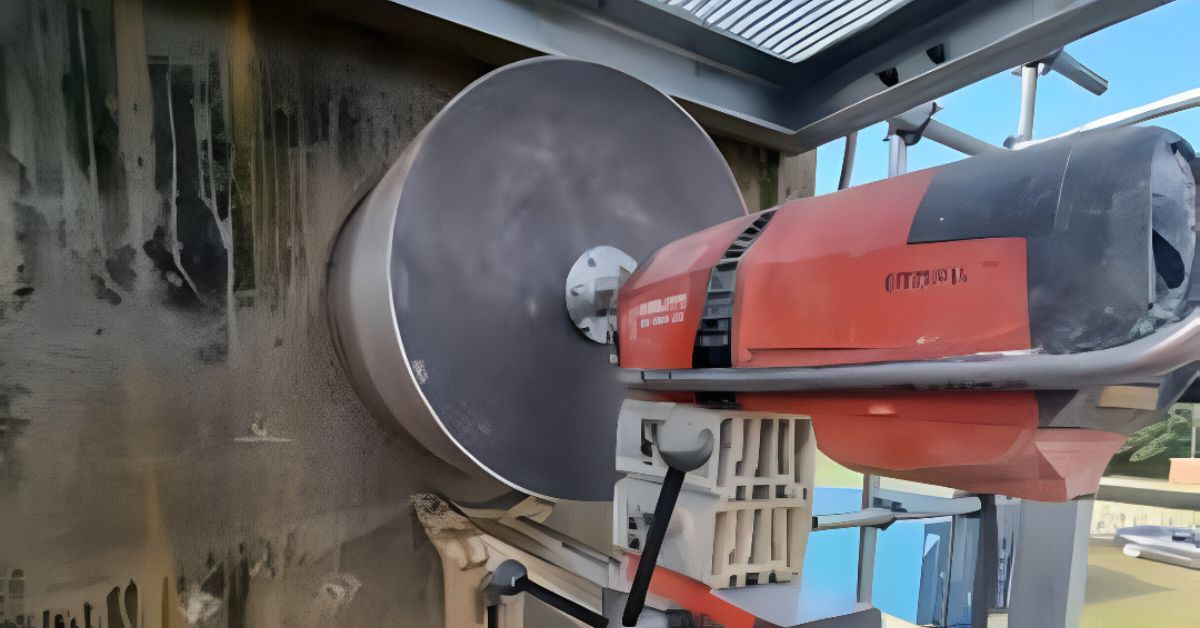
The concrete coring procedure follows a clear path, much like plotting your route before a long haul. It starts with checking the lay of the land and ends with a tidy wrap-up, using terms like "diamond bits" and "slurry flow" that pros toss around daily. Get this down, and your jobs feel less like guesswork and more like clockwork.
Here's the breakdown in steps that keep things straightforward and safe:
- Site Assessment First: Before anything spins, scan the area with tools like ground-penetrating radar to spot rebar or pipes hidden inside. This step takes maybe 15 minutes, but stops you from hitting something that could derail the day, saving hours of fixes later on.
- Rig Setup and Alignment: Bolt down your concrete core drill using suction pads or weights so it doesn't budge. Line it up dead-on with a laser level-off by even a hair, and your hole wanders, turning a quick task into a redo that eats into your schedule.
- Bit Selection and Prep: Pick a diamond-tipped bit matched to the concrete's toughness; softer mixes need finer edges to avoid glazing over. Soak it if you're going wet to cool things down, preventing cracks from heat buildup that weakens the edges around your cut.
- Drilling the Core: Fire up the motor at a steady RPM, feeding water steadily for wet cuts to flush debris and keep dust low. Watch the pressure gauge closely-if it jumps, ease off to dodge binding on steel, which could snap your bit and leave you scrambling for spares.
- Monitoring Progress: Track depth with built-in markers or a plumb line, pausing every foot to clear slurry and check for straightness. This hands-on watchfulness catches drifts early, ensuring your hole matches the blueprint without needing to start over from scratch.
- Core Extraction and Finish: Once through, twist out the barrel gently to retrieve the plug, then seal the spot with quick-set grout if it's a pass-through. A smooth pull avoids chipping the rim, leaving a pro-level edge that blends right back into the surface.
- Cleanup and Inspection: Hose down the area, bag the slurry for disposal, and tap around the hole to listen for hollow spots. That final once-over confirms no hidden issues, letting you sign off with a clear conscience and move to the next phase.
Safety and Best Practices in Core Drilling
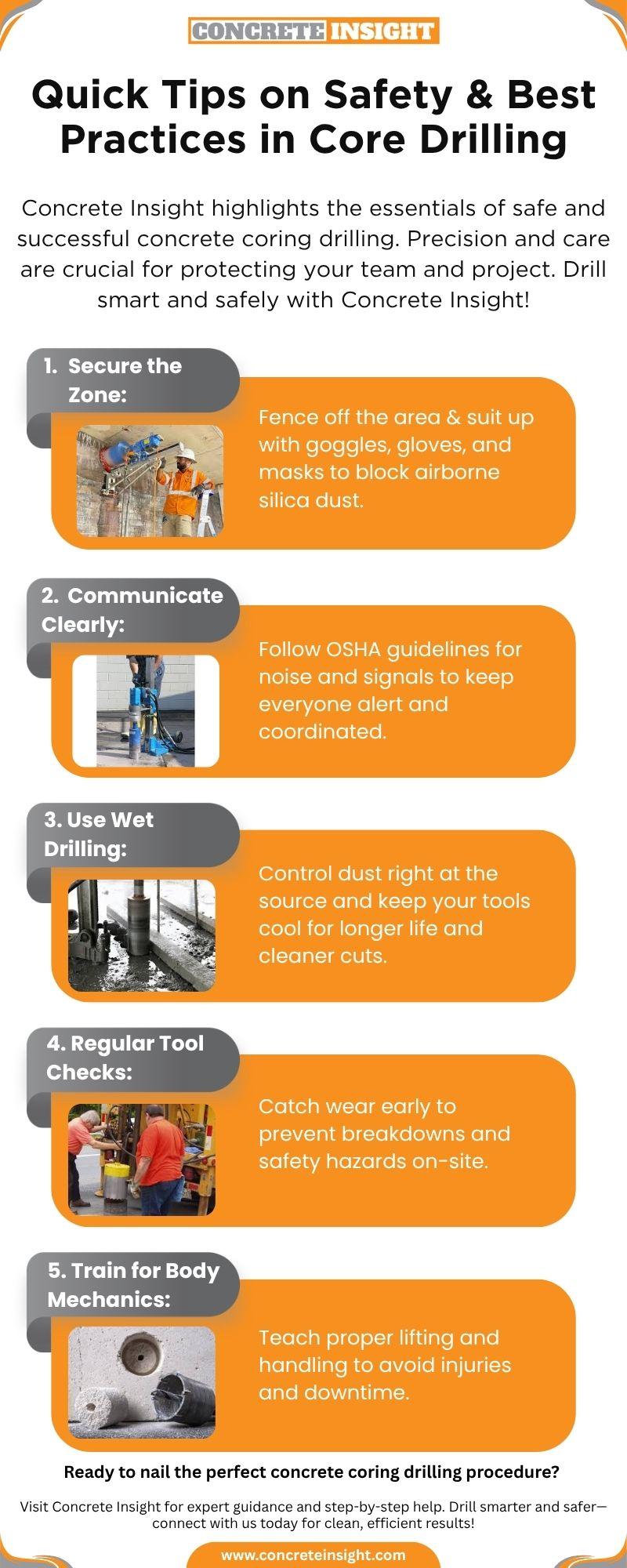
Safety in core drilling isn't a checkbox; it's the backbone that keeps your team coming home whole. Here are the best practices that you need to know:
- Start by fencing off the zone and suiting up everyone in goggles, gloves, and masks to block silica particles that linger in the air.
- Follow guidelines from spots like OSHA, which stress clear communication to avoid slips in the noise.
- Wet drilling curbs dust right at the source, while regular tool checks catch wear before it bites.
- Train your folks on body mechanics, too-lifting those rigs wrong adds up fast in aches and downtime.
To dig deeper into what keeps sites sharp, consider the above tips.
Common Pitfalls and How to Sidestep Them
Every trade has its gotchas, and core drilling is no exception-skip the scan, and you're fishing rebar out of a jammed bit before lunch. Rushing the water flow leads to overheated edges that crack wider than planned. Spot these early, and they stay small potatoes.
The fix? Double down on prep: A quick radar pass reveals the innards, while steady feeds keep temps in check. Sloppy slurry control floods the floor, so containment gear turns the mess into a managed one. Learn from the close calls, and your crew gets tougher without the tuition.
Why Mastery of Concrete Coring Matters for Your Bottom Line
Knowing the ins and outs of concrete coring pays off in ways that stack up on the ledger. It speeds up retrofits in older buildings, where old-school breaking would mean weeks of patching and permits. Less vibration means no callbacks for settled cracks, and that builds word-of-mouth gold.
Tie it to newer tricks like detailed scans for air pockets, and you're offering full-package smarts. Shops that run this tight see smoother flows into wiring or venting stages, trimming fat from budgets and padding the good reps that fill the calendar.
Wrapping Up:
There you have it-the concrete coring drilling procedure laid out plain, ready to slot into your toolkit. It's about blending care with craft to make tough jobs feel routine. If a slab's got you stumped, chatting with folks like Concrete Insight who handle this daily can clear the path fast. Give it a shot; those straight shots through concrete might just be the edge your next bid needs. Contact us today and witness the clean work!
Comments